
Ultrasound-Guided MRI Fusion Transperineal Biopsy at Southland Urology
An ultrasound-guided MRI fusion transperineal biopsy is a highly accurate and precise method for detecting prostate cancer. It combines real-time ultrasound imaging with a pre-biopsy MRI to create a detailed, 3D map of the prostate, allowing urologists to target suspicious areas with pinpoint accuracy. The transperineal approach, where the needle is inserted through the skin between the scrotum and the anus, significantly reduces the risk of infection compared to traditional biopsy methods.
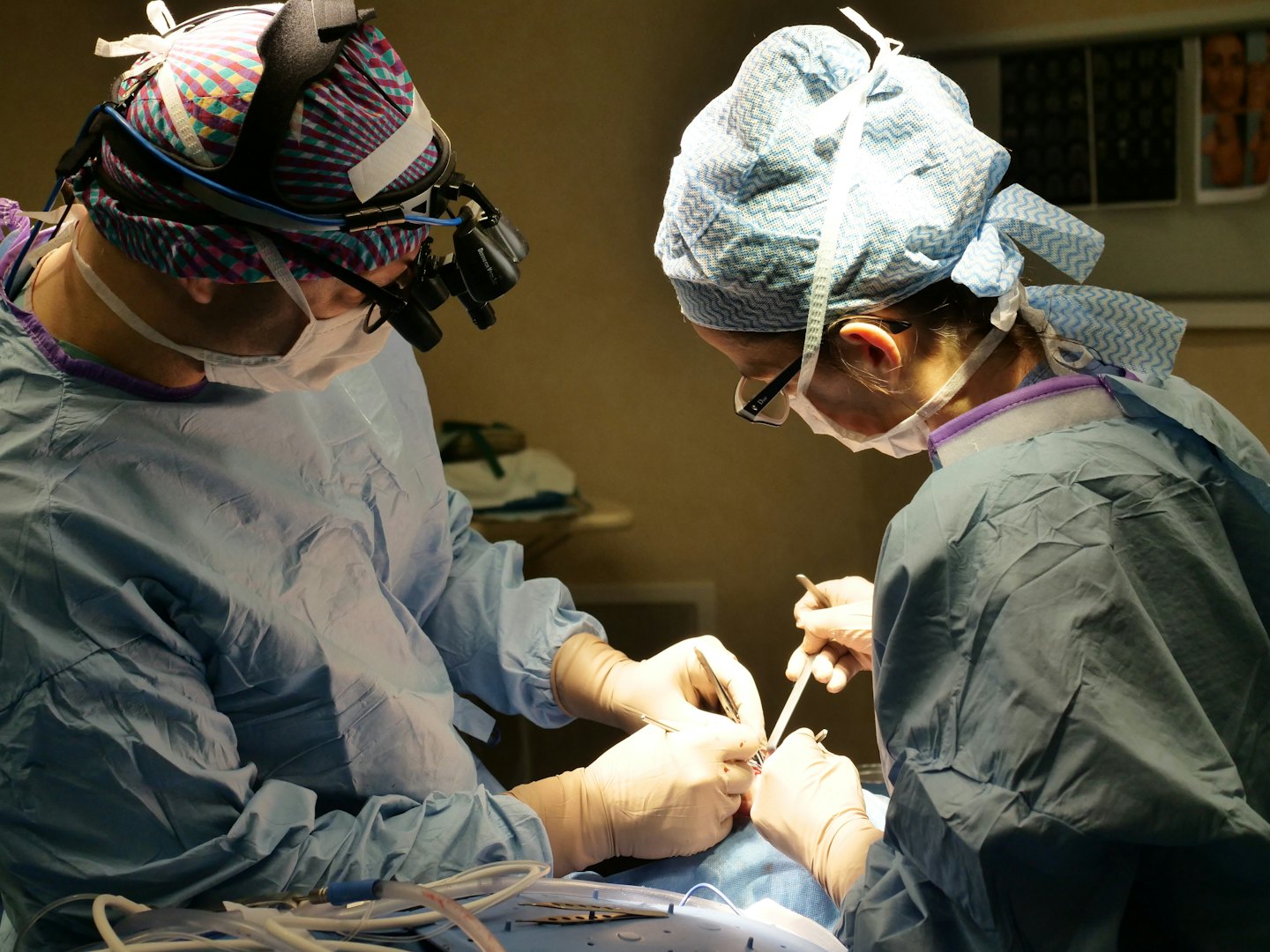
Advanced Treatments
Our expert surgeons use the most advanced technologies for prostate cancer detection and management.

Personalized Plans
We tailor your care to your unique diagnosis for optimal health and recovery.

Comprehensive Diagnostics
Accurate testing and evaluation.
Understanding Ultrasound-Guided MRI Fusion Transperineal Biopsy
Learn about our tailored approach to diagnosing and treating prostate cancer with compassionate support every step of the way.

Initial Consultation and Diagnosis
Meet with our board-certified urologists to assess your condition through thorough exams and advanced diagnostic tests.

Personalized Treatment Planning
Work closely with our specialists to develop a treatment strategy that fits your specific issue and goals.

Ongoing Care and Support
Receive expert follow-up care, monitoring, and support to ensure the best possible outcomes throughout your recovery.
Understanding Ultrasound-Guided MRI Fusion Transperineal Biopsy
What Is a Fusion Transperineal Biopsy?
A fusion transperineal biopsy is an advanced diagnostic procedure used to detect prostate cancer. Unlike a standard biopsy, which takes random samples from the prostate, a fusion biopsy is a more targeted approach. It uses technology to “fuse” or overlay a pre-biopsy MRI scan of the prostate with real-time ultrasound images. This allows the urologist to see the exact location of any suspicious areas, such as a tumor, and to guide the biopsy needle directly into those areas for a tissue sample. The transperineal method refers to the route the biopsy needle takes: through the skin of the perineum (the area between the scrotum and anus) rather than the rectum.
The Role of MRI and Ultrasound Fusion
The use of both an MRI and an ultrasound is what makes this biopsy so accurate. A prostate MRI is highly effective at identifying and locating suspicious lesions that may not be visible on a standard ultrasound. Before the biopsy, the patient undergoes a prostate MRI. During the procedure, the images from the MRI can be fused with live ultrasound images in a specialized computer program. They can also be manually reviewed and mentally mapped to the real-time ultrasound images. This targeted approach increases the chance of detecting aggressive prostate cancer that might be missed with random sampling.
How the Procedure is Performed
The procedure is an outpatient service and is typically performed under local anesthesia or light sedation to ensure the patient’s comfort. The patient is placed in a lying position, and the area between the scrotum and anus (the perineum) is sterilized. The urologist inserts a transrectal ultrasound probe to visualize the prostate. The pre-biopsy MRI images are reviewed and compared to the ultrasound images. The urologist uses the this information to pass the biopsy needle through the perineum and into the targeted areas of the prostate.
Benefits of the Transperineal Approach
The transperineal approach offers a potential advantage over the more traditional transrectal biopsy. By passing the biopsy needle through the clean skin of the perineum, the risk of introducing bacteria from the rectum into the prostate is dramatically reduced. This leads to a lower risk of post-biopsy infection, including sepsis, which can be a serious complication. The transperineal approach also provides better access to the anterior (front) and apex (tip) of the prostate, which can be difficult to reach with a transrectal biopsy.
The Recovery Process
Recovery from a fusion transperineal biopsy is generally quick. Patients may experience some soreness or discomfort in the perineum for a few days, which can be managed with over-the-counter pain relievers. It is common to see blood in the urine, stool, or semen for a short period after the procedure. The risk of infection is very low with this technique, and most patients can return to their normal activities within a day or two.
Results and Next Steps
The tissue samples taken during the biopsy are sent to a pathology lab for analysis. A pathologist examines the samples for the presence of cancer cells and assigns a Gleason score and Grade Group. This score helps to determine the aggressiveness of the cancer and guide treatment decisions. The results are typically available within a week, and your urologist will discuss the findings with you and recommend the next steps, whether that’s active surveillance, surgery, or radiation therapy.

Schedule Your Consultation Today
Take the first step toward personalized prostate cancer diagnostics with our expert team.
