
Pelvic Prolapse Care at Southland Urology
Every person’s bladder is supposed to remain in proper position as it is supported by muscles of the pelvic floor. Instances in which the bladder bulges out of place are known as prolapse. This is often the result of weakened or damaged tissues within the individual’s pelvic floor.
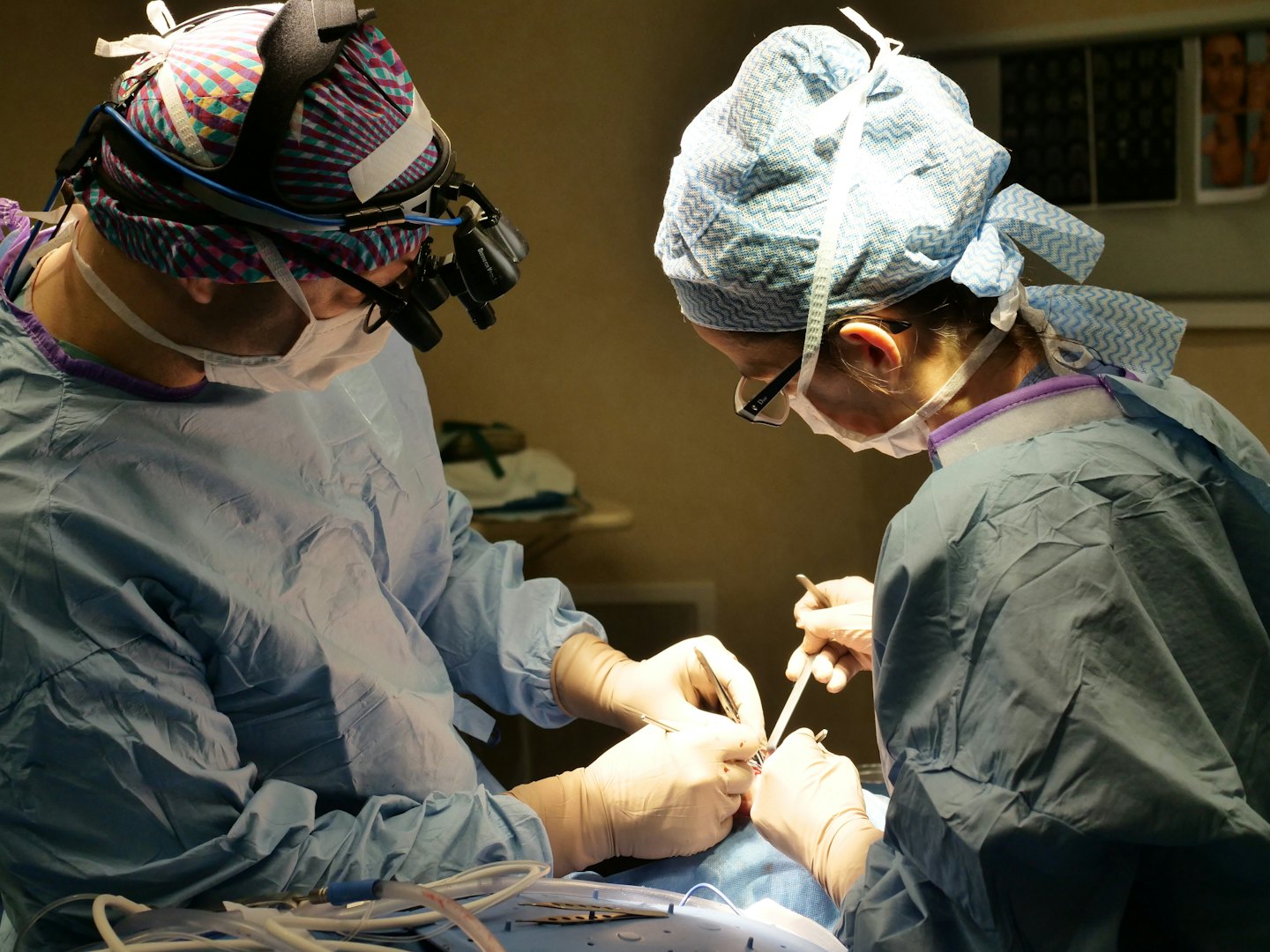
Advanced Treatments
Our expert surgeons use non-surgical and surgical management options.

Personalized Plans
We tailor your care to your unique diagnosis for optimal health and recovery.

Comprehensive Diagnostics
Accurate testing and evaluation.
Understanding Pelvic Prolapse Care
Learn about our tailored approach to diagnosing and treating prolapse with compassionate support every step of the way.

Initial Consultation and Diagnosis
Meet with our board-certified urologists to assess your condition through thorough exams and advanced diagnostic tests.

Personalized Treatment Planning
Work closely with our specialists to develop a treatment strategy that fits your specific issue and goals.

Ongoing Care and Support
Receive expert follow-up care, monitoring, and support to ensure the best possible outcomes throughout your recovery.
Understanding Pelvic Prolapse
What Are the Symptoms of Pelvic Prolapse?
Pelvic organ prolapse is seen in female patients, and can often be attributed to extensive pressure put on the pelvic floor muscles during pregnancy and childbirth. When this occurs, the bladder, or other organs, can begin to protrude through the vagina and lead to a variety of symptoms, such as:
- Urinary incontinence
- Pain during intercourse
- Frequent urge to urinate
- Sensation of an full bladder even immediately after urination
- Visible tissue protruding from the vaginal opening
- Pain throughout the pelvic region
- Recurrent urinary tract infections (UTIs)
- Noticeable pressure within the vaginal area
It is also possible for patients with pelvic prolapse to remain asymptomatic, meaning that they experience no abnormal symptoms at all. In many cases, pelvic prolapse can be diagnosed during a routine physical examination.
Those who do experience symptoms of bladder prolapse should contact Southland Urology right away to schedule a consultation with one of our specialists. Once the source of the patient’s discomfort has been accurately identified, your doctor will be able to follow up with their recommendations for treatment.
How is Pelvic Prolapse Diagnosed?
Every patient is different, and some may not be as easy to diagnose as others. For these situations, other diagnostic imaging scans or tests can be ordered by your urologist to further investigate the individual’s bladder function, including:
- Urodynamic testing
- Cystoscopy
- Ultrasound
- Pelvic exam
These examinations are often quite helpful in determining the grade of a patient’s pelvic prolapse. The more advanced the grade of a person’s condition, the more comprehensive their treatment will likely be. The range of these grades exist on a scale of 1 to 4, and include:
- Grade 1: Mild prolapse of the bladder where the organ begins dropping slightly into the vagina.
- Grade 2: Moderate prolapse wherein the bladder has reached the opening of the vagina.
- Grade 3: Severe prolapse that is characterized by the bladder now protruding outside of the body.
- Grade 4: Complete prolapse can occur if the bladder hangs fully out of the vagina.
How Do You Treat Pelvic Prolapse?
Patients diagnosed with a mild case of pelvic prolapse will not often require medical treatment for their condition. Simply avoiding added pressure or strain on the pelvic floor muscles in addition to utilizing strengthening exercises for this region of the body can often lead to significant improvement in symptoms.
Individuals that have sustained more comprehensive damage to their pelvic floor may be recommended for further treatment, such as estrogen replacement therapy and/or pessary implementation.
Estrogen Replacement Therapy
Introducing higher doses of estrogen (the primary female sex hormone) to the body may help the muscles of the pelvic floor tighten much more quickly. This can be especially beneficial for women who have recently experienced a drop in these hormone levels, such as those transitioning through menopause.
Pessary
A pessary is a specially designed device used to manually hold the pelvic organs in place. This device may be inserted, removed, and regularly cleaned by the patient or their physician.
Surgery for Bladder Prolapse
If prior treatments remain unsuccessful, or if the patient is suffering from severe prolapse, surgery may be needed to repair the tissues of the pelvic floor. While this particular option is associated with more risks than non-invasive alternatives, it can provide permanent relief from pelvic prolapse and its many uncomfortable symptoms.

Schedule Your Consultation Today
Take the first step toward personalized pelvic prolapse care with our expert team.
