
Spermatocele / Epididymal Cyst Evaluation at Southland Urology
A spermatocele, often referred to as a spermatic cyst or epididymal cyst, is a common, non-cancerous fluid-filled sac that can develop in the scrotum, typically near the top of a testicle. These cysts are usually painless and harmless, but they can grow in size, causing discomfort or a feeling of heaviness. While most spermatoceles do not require treatment, a urologist can provide a definitive diagnosis and discuss management options if symptoms are bothersome.
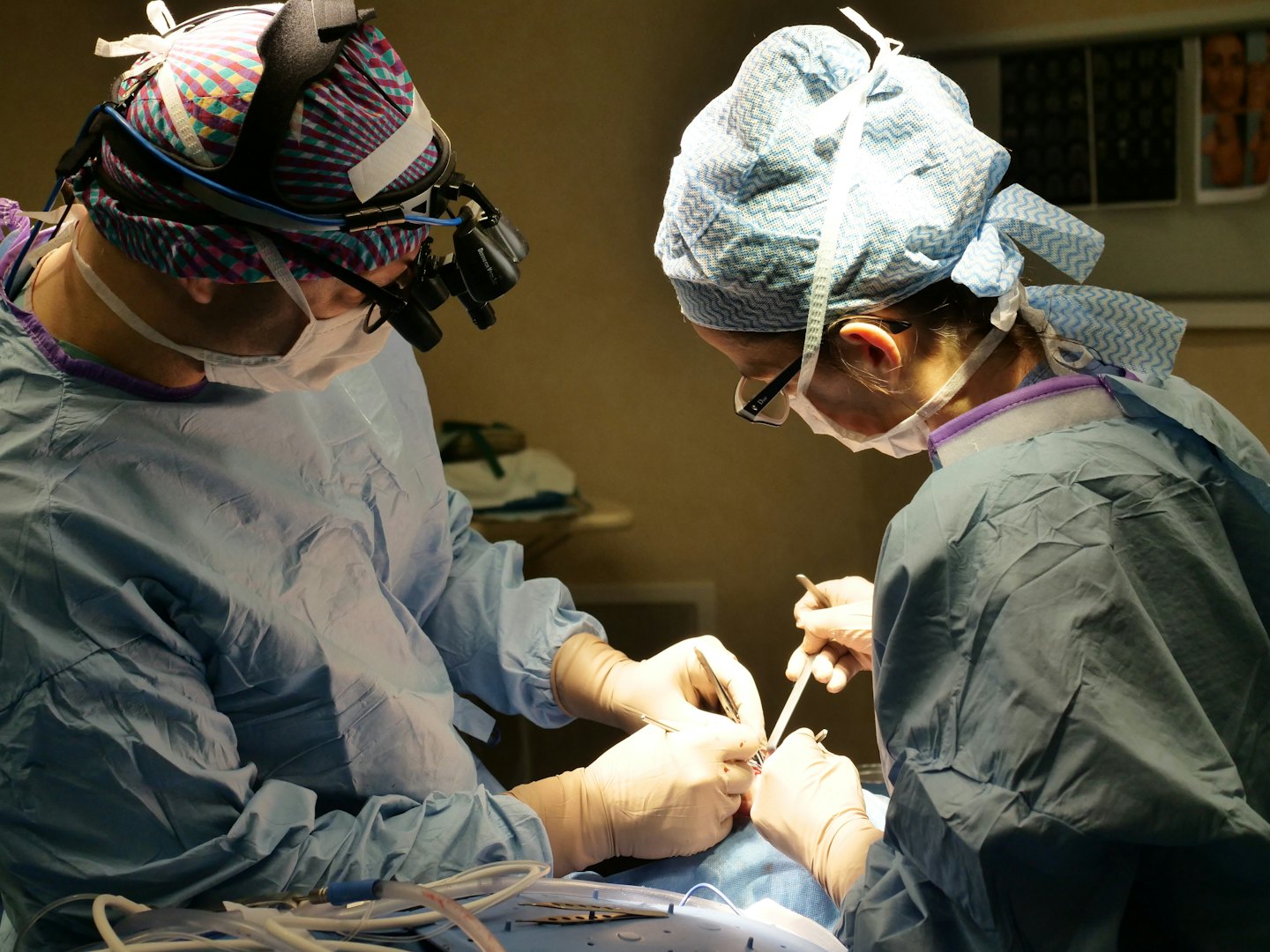
Advanced Treatments
Our expert surgeons use non-surgical and surgical management options for spermatoceles.

Personalized Plans
We tailor your care to your unique diagnosis for optimal health and recovery.

Comprehensive Diagnostics
Accurate testing and evaluation to manage your spermatocele.
Understanding Spermatocele / Epididymal Cyst Evaluation
Learn about our tailored approach to diagnosing and treating spermatoceles with compassionate support every step of the way.

Initial Consultation and Diagnosis
Meet with our board-certified urologists to assess your condition through thorough exams and advanced diagnostic tests.

Personalized Treatment Planning
Work closely with our specialists to develop a treatment strategy that fits your specific issue and goals.

Ongoing Care and Support
Receive expert follow-up care, monitoring, and support to ensure the best possible outcomes throughout your recovery.
Understanding Spermatocele / Epididymal Cysts
What Is a Spermatocele?
A spermatocele is a benign (non-cancerous) cyst that forms in the epididymis, the small, coiled tube located at the back of the testicle that stores and carries sperm. The cyst is a fluid-filled sac that can contain sperm, though they are usually not infectious. Spermatoceles are a common finding during a physical examination and can vary in size from a few millimeters to several centimeters. They are typically smooth, firm, and distinct from the testicle itself.
Causes and Symptoms
The exact cause of spermatoceles is not fully known, but they are believed to result from a blockage or a fluid buildup in the tiny tubes of the epididymis. They are not sexually transmitted and do not cause male infertility. Many men with a spermatocele have no symptoms at all, and the cyst is often discovered incidentally during a self-exam or a routine physical. When symptoms do occur, they may include a painless lump in the scrotum, a feeling of heaviness, a dull ache, or a noticeable swelling.
Diagnosis
A spermatocele is typically diagnosed through a physical examination by a doctor. The cyst will feel like a smooth, distinct lump above or behind the testicle. To confirm the diagnosis and rule out more serious conditions, such as testicular cancer, a doctor may order a scrotal ultrasound. This non-invasive imaging test can provide detailed images of the scrotum’s internal structures and confirm that the lump is a fluid-filled cyst.
Non-Surgical Management
In the vast majority of cases, spermatoceles are harmless and do not require any treatment. If the cyst is small and not causing any symptoms, a urologist will recommend a “watchful waiting” approach. This involves monitoring the cyst for any changes in size or new symptoms. Over-the-counter pain relievers can be used to manage any minor discomfort. Patients are encouraged to continue performing regular testicular self-exams and to report any new changes to their doctor.
Surgical Management
Surgical intervention is only considered when a spermatocele is causing significant pain, discomfort, or has grown to a size that is bothersome to the patient. The surgical procedure to remove the cyst is called a spermatocelectomy. It is an outpatient procedure performed under local or general anesthesia. During the surgery, the urologist makes a small incision in the scrotum, separates the cyst from the epididymis, and removes it. The procedure is very effective at relieving symptoms, but there is a small chance that the cyst may recur.

Schedule Your Consultation Today
Take the first step toward personalized spermatocele / epididymal cyst evaluation with our expert team.
