
Men’s Health Evaluation at Southland Urology
Men’s health, particularly as it relates to urology, focuses on the unique medical and surgical needs of the male urinary and reproductive systems. These areas can impact a man’s quality of life, covering everything from common issues like erectile dysfunction and kidney stones to more serious conditions like prostate cancer. By specializing in these areas, a urologist can provide comprehensive care that addresses both routine and complex health concerns.
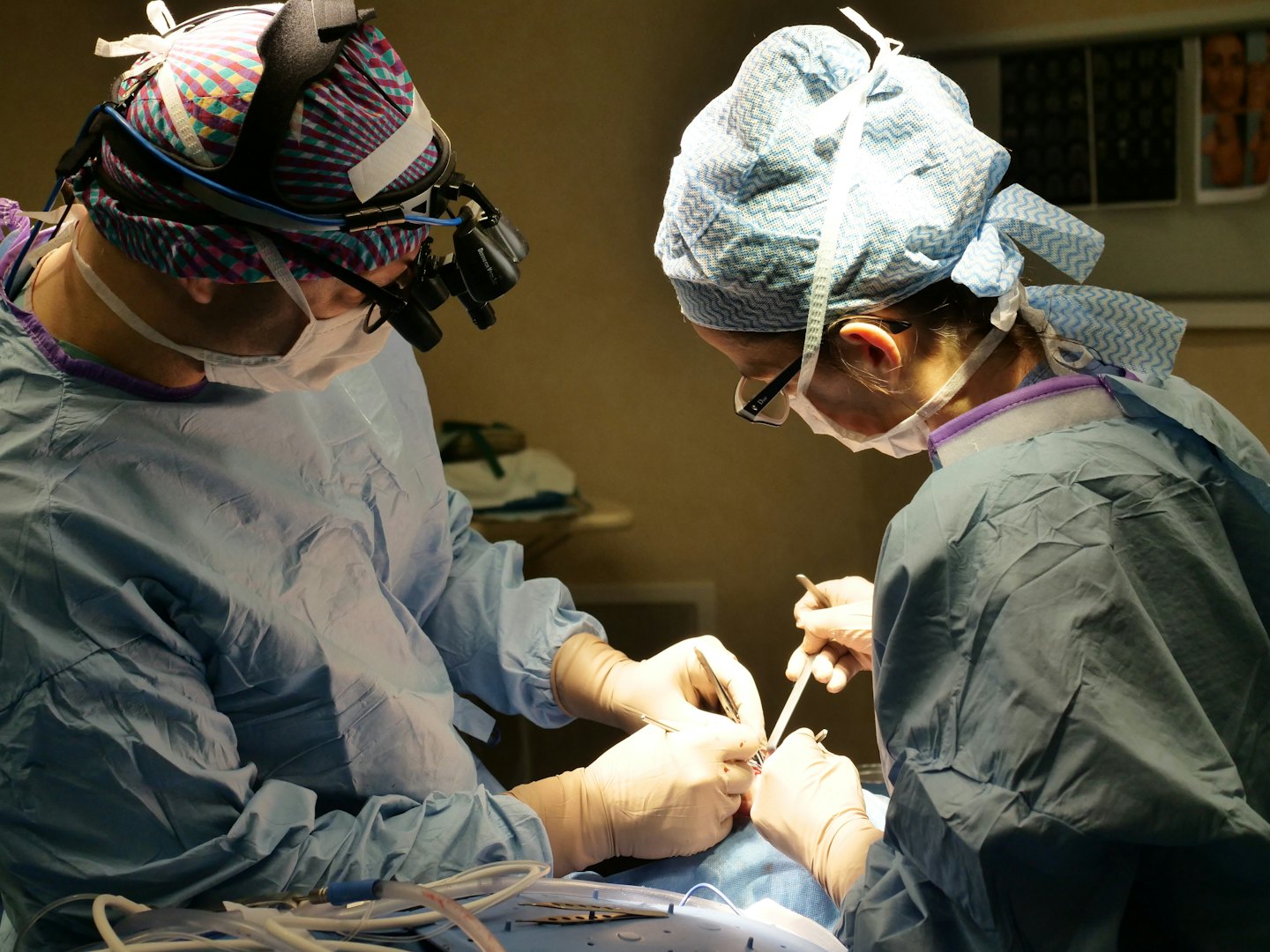
Advanced Treatments
Our expert surgeons use non-surgical and surgical management options for men’s health issues.

Personalized Plans
We tailor your care to your unique diagnosis for optimal health and recovery.

Comprehensive Diagnostics
Accurate testing and evaluation.
Understanding Men’s Health Evaluation
Learn about our tailored approach to diagnosing and treating men’s health concerns with compassionate support every step of the way.

Initial Consultation and Diagnosis
Meet with our board-certified urologists to assess your condition through thorough exams and advanced diagnostic tests.

Personalized Treatment Planning
Work closely with our specialists to develop a treatment strategy that fits your specific issue and goals.

Ongoing Care and Support
Receive expert follow-up care, monitoring, and support to ensure the best possible outcomes throughout your recovery.
Understanding Men’s Health
Understanding Men’s Health in Urology
Urology is a medical and surgical specialty that focuses on diseases of the male and female urinary tract systems, as well as the male reproductive organs. For men, this includes conditions affecting the kidneys, bladder, ureters, urethra, and male genitals. While many of these conditions, such as kidney stones or urinary tract infections, can affect both sexes, urologists also specialize in health issues unique to men. These can range from hormonal imbalances like low testosterone to structural problems and cancers.
Common Urological Conditions in Men
Several conditions fall under the umbrella of men’s urological health. One of the most common is benign prostatic hyperplasia (BPH), a non-cancerous enlargement of the prostate gland that often occurs with age. This can lead to symptoms like a frequent need to urinate, a weak stream, and difficulty emptying the bladder. Other prevalent issues include erectile dysfunction (ED), which can be caused by various factors including poor blood flow, and low testosterone, which can impact libido, energy, and mood. Urologists also manage conditions such as kidney stones, male infertility, and various urologic cancers, including prostate, testicular, and bladder cancer.
Diagnosis
Diagnosing these conditions typically involves a multi-faceted approach. A physical exam and a detailed review of symptoms are the first steps. For issues like BPH or prostate cancer, a doctor may perform a digital rectal exam (DRE) and a prostate-specific antigen (PSA) blood test. For sexual health issues, blood tests can check hormone levels. Semen analysis is the cornerstone of diagnosing male infertility. In many cases, imaging tests such as ultrasound, CT scans, or MRI are used to visualize the urinary tract or reproductive organs to identify stones, tumors, or blockages.
Non-Surgical Treatment Options
Many men’s urological conditions can be managed without surgery. For conditions like BPH, medications are often the first line of treatment. Alpha-blockers can relax the muscles in the prostate and bladder neck to improve urine flow, while 5-alpha reductase inhibitors can shrink the prostate gland over time. Lifestyle changes, such as modifying diet and exercise habits, can also be effective for improving symptoms of BPH, ED, and low testosterone. For ED, non-surgical options include oral medications, injection therapy, or vacuum erection devices. For low testosterone, treatment often involves testosterone replacement therapy through injections, gels, or pellets.
Surgical Treatment Options
When non-surgical treatments are not effective, or for more severe conditions, surgical options become necessary. For BPH, minimally invasive procedures like UroLift or Rezum water vapor therapy can provide lasting relief by either lifting or shrinking the prostate. For severe ED, a penile implant may be surgically placed, a highly effective and long-lasting solution. In cases of male infertility due to a blockage, procedures like a vasectomy reversal or testicular sperm extraction (TESE) can be performed. For urologic cancers, surgery is often a critical part of treatment. This can range from a radical prostatectomy (removal of the prostate) for prostate cancer to a nephrectomy (removal of a kidney) for kidney cancer. Many of these surgical procedures are now performed using minimally invasive techniques such as robotic or laparoscopic surgery, which can lead to faster recovery times and less pain for the patient.

Schedule Your Consultation Today
Take the first step toward personalized men’s health evaluation with our expert team.
