
Male Infertility Evaluation at Southland Urology
Male infertility is defined as a man’s inability to impregnate a fertile female after at least one year of regular, unprotected intercourse. It is a common condition, affecting approximately 7% of all men, and can be the sole or contributing factor in nearly half of all infertility cases. The primary cause of male infertility is often related to the quantity, quality, or movement of sperm.
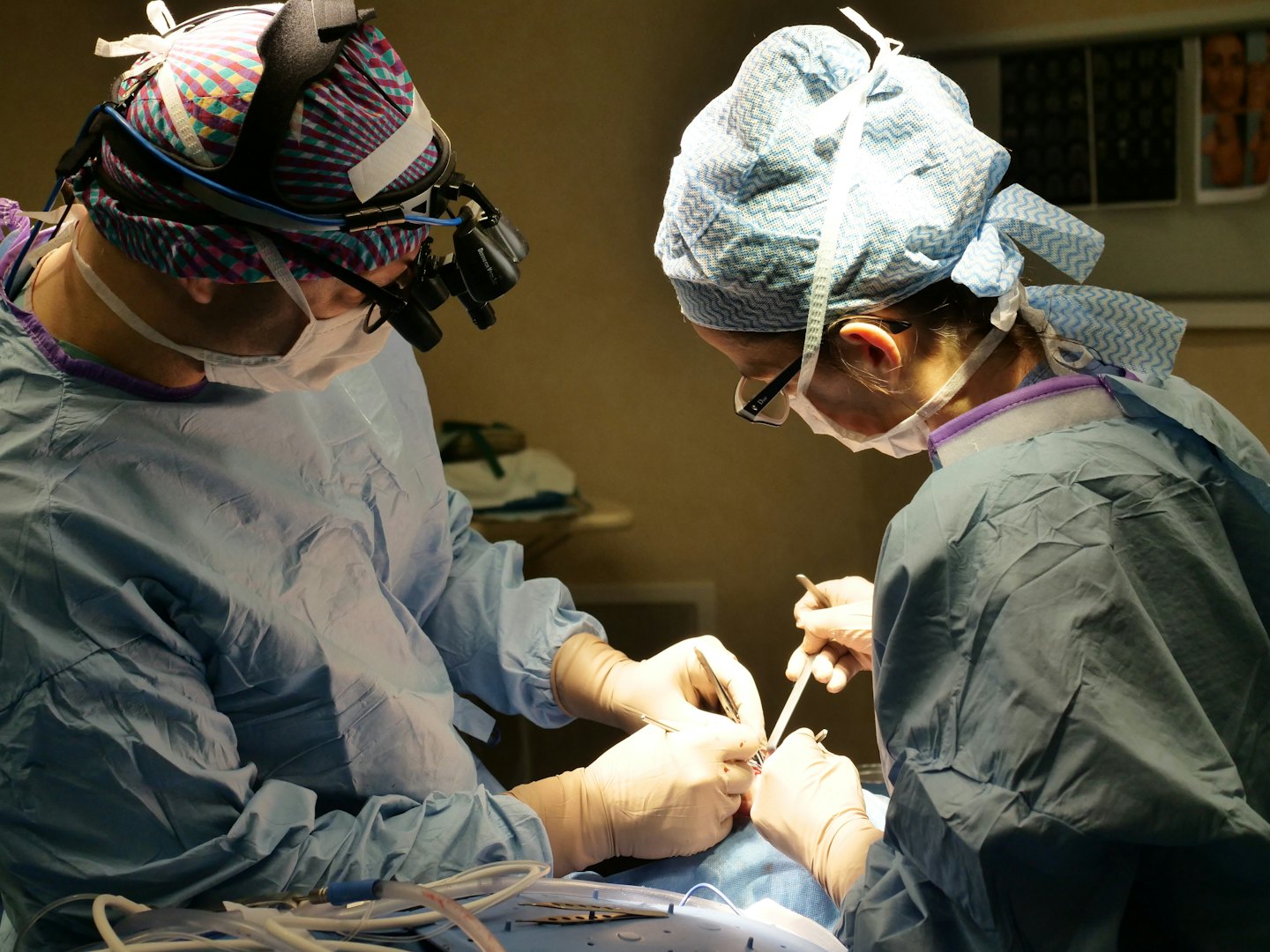
Advanced Treatments
Our expert surgeons use non-surgical and surgical management options for male infertility.

Personalized Plans
We tailor your care to your unique diagnosis for optimal health and recovery.

Comprehensive Diagnostics
Accurate testing and evaluation.
Understanding Male Infertility Evaluation
Learn about our tailored approach to diagnosing and treating male infertility with compassionate support every step of the way.

Initial Consultation and Diagnosis
Meet with our board-certified urologists to assess your condition through thorough exams and advanced diagnostic tests.

Personalized Treatment Planning
Work closely with our specialists to develop a treatment strategy that fits your specific issue and goals.

Ongoing Care and Support
Receive expert follow-up care, monitoring, and support to ensure the best possible outcomes throughout your recovery.
Understanding Male Infertility
Male infertility is a common health issue, affecting an estimated 7% of men worldwide. It is defined as a man’s inability to cause a pregnancy in a fertile female partner after a year or more of regular, unprotected intercourse. While female factors are often the initial focus in infertility investigations, male factors are the sole or contributing cause in nearly half of all cases. The primary issue is typically related to problems with sperm, including low sperm count (oligospermia), poor sperm quality or motility, or no sperm at all (azoospermia).
Causes of Male Infertility
The causes of male infertility are diverse and can be categorized into three main areas: pre-testicular, testicular, and post-testicular. Pre-testicular causes originate from hormonal imbalances, such as issues with the hypothalamus or pituitary gland, which regulate testosterone and sperm production. Testicular causes directly affect sperm production within the testicles and can result from genetic conditions, varicoceles (enlarged veins in the scrotum), past infections like mumps, or a history of testicular cancer. Post-testicular causes involve blockages or issues with the ducts that transport sperm, which can be a result of prior surgeries, infections, or genetic abnormalities.
Diagnosis
A thorough diagnosis is crucial to identifying the underlying cause of male infertility. The process typically begins with a physical examination and a review of the patient’s medical history. The cornerstone of the diagnosis is the semen analysis, which evaluates the number, shape, and movement of sperm in a sample. If the initial semen analysis is abnormal, a second one is often performed to confirm the results. Other diagnostic tools may include blood tests to check hormone levels (like testosterone and FSH), genetic testing to look for chromosomal abnormalities, and imaging tests such as a scrotal ultrasound to check for structural issues like varicoceles or blockages.
Non-Surgical Treatment Options
For many cases of male infertility, non-surgical treatments can be highly effective. Lifestyle changes, such as adopting a healthier diet, exercising regularly, and reducing alcohol and tobacco consumption, can significantly improve sperm health. For hormonal imbalances, hormone replacement therapy or other medications can stimulate sperm production. If the infertility is a side effect of a medication, a doctor may recommend an alternative drug. For couples, assisted reproductive technologies (ART) like intrauterine insemination (IUI) or in vitro fertilization (IVF) are common non-surgical paths to conception, where sperm are either directly placed in the uterus or combined with an egg in a lab.
Surgical Treatment Options
When non-surgical options are not effective or the cause of infertility requires a physical correction, surgical procedures may be recommended. The most common surgical procedure is a varicocelectomy, which is performed to repair enlarged veins in the scrotum (varicoceles) that can raise testicular temperature and impair sperm production. For men with blockages in the reproductive tract, a microsurgical procedure called vasovasostomy or vasoepididymostomy can be performed to reconnect the blocked ducts. In cases of non-obstructive azoospermia, where no sperm are present in the ejaculate, procedures like testicular sperm extraction (TESE) or micro-TESE can be used to retrieve sperm directly from the testicles for use in IVF.

Schedule Your Consultation Today
Take the first step toward personalized male infertility evaluation with our expert team.
