
Neurogenic Bladder Evaluation at Southland Urology
A neurogenic bladder is a condition in which a person lacks bladder control due to a problem with the nerves that control bladder function. It is a result of damage to the brain, spinal cord, or the nerves leading to the bladder, which can be caused by diseases like multiple sclerosis or a spinal cord injury. This damage can lead to a bladder that is either underactive (unable to empty completely) or overactive (contracts uncontrollably), causing a range of frustrating urinary symptoms.
Advanced Treatments
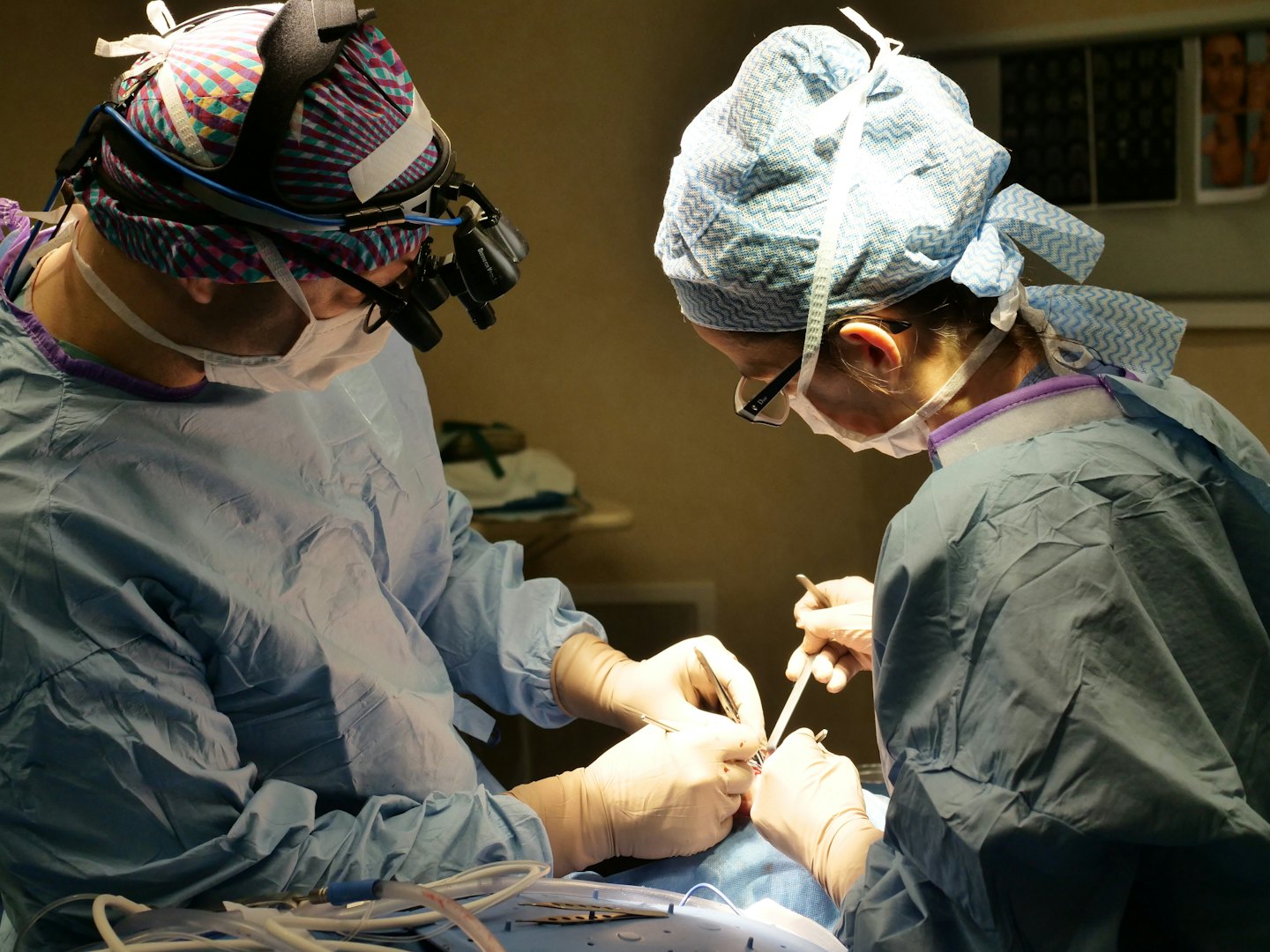
Our expert surgeons use non-surgical and surgical management options for the various causes of neurogenic bladder.

Personalized Plans
We tailor your care to your unique diagnosis for optimal health and recovery.

Comprehensive Diagnostics
Accurate testing and evaluation to manage your neurogenic bladder.
Understanding Neurogenic Bladder Evaluation
Learn about our tailored approach to diagnosing and treating neurogenic bladder with compassionate support every step of the way.

Initial Consultation and Diagnosis
Meet with our board-certified urologists to assess your condition through thorough exams and advanced diagnostic tests.

Personalized Treatment Planning
Work closely with our specialists to develop a treatment strategy that fits your specific issue and goals.

Ongoing Care and Support
Receive expert follow-up care, monitoring, and support to ensure the best possible outcomes throughout your recovery.
Understanding Neurogenic Bladder
What is a Neurogenic Bladder?
A neurogenic bladder is a broad term for a group of conditions that result from a disruption in the nervous system’s control over the bladder. Normal bladder function relies on complex communication between the brain, spinal cord, and bladder muscles. When this communication is interrupted or damaged by a neurological disease or injury, the bladder’s ability to store and release urine is affected. This can lead to a bladder that either cannot empty at all or one that contracts uncontrollably, leading to urinary incontinence.
Causes of Neurogenic Bladder
The condition is caused by damage to the central or peripheral nervous system. This damage can be a result of a variety of neurological diseases, including multiple sclerosis, Parkinson’s disease, and spina bifida. Injuries, such as a spinal cord injury or a stroke, are also a common cause. Other conditions that can lead to a neurogenic bladder include tumors in the brain or spinal cord, nerve damage from diabetes, or long-term complications from alcohol abuse.
Types and Symptoms
There are two main types of neurogenic bladder: overactive (spastic) bladder and underactive (flaccid) bladder. An overactive bladder is a result of nerve damage that causes the bladder muscle to contract too frequently and uncontrollably, leading to symptoms like urinary urgency, frequent urination, and urge incontinence. An underactive bladder is a result of nerve damage that prevents the bladder muscle from contracting, leading to urinary retention, a weak stream, and the inability to completely empty the bladder.
Diagnosis
Diagnosing a neurogenic bladder requires a comprehensive evaluation by a urologist, often in collaboration with a neurologist. The process begins with a detailed medical history and a physical examination. Diagnostic tests are then used to assess bladder and nerve function. A urinalysis and a urine culture are used to rule out a urinary tract infection. Urodynamic studies are a crucial part of the diagnosis, as they measure bladder pressure, urine flow, and nerve function. Imaging tests like a renal and bladder ultrasound can also be used to visualize the urinary tract and check for any structural issues.
Non-Surgical Management
The goal of treatment is to improve bladder function and prevent complications like kidney damage or recurrent infections. For an underactive bladder, a man or woman may need to learn intermittent self-catheterization to empty the bladder. For an overactive bladder, medications can be prescribed to help relax the bladder muscle. Other non-surgical options include lifestyle changes, such as modifying fluid intake, and sacral neuromodulation, which uses a small implanted device to stimulate the nerves that control bladder function.
Surgical Management
Surgical intervention for neurogenic bladder is typically reserved for severe cases that have not responded to non-surgical treatments. The goal of surgery is to improve bladder function and protect the kidneys from damage. For an underactive bladder, procedures to create a urinary diversion may be performed, which creates a new way for urine to leave the body. For a severe overactive bladder, surgery such as augmentation cystoplasty can be performed to increase the bladder’s capacity. A sphincterotomy, which cuts a sphincter muscle, may also be performed to allow urine to flow out more easily.

Schedule Your Consultation Today
Take the first step toward personalized neurogenic bladder evaluation with our expert team.
