
Adrenal Cancer Care at Southland Urology
Adrenal cancer is a rare but serious cancer that forms in the adrenal glands, which are small glands located on top of each kidney. This type of cancer, also known as adrenocortical carcinoma, can cause an overproduction of hormones, leading to a variety of symptoms. Early detection is challenging, but a comprehensive approach to treatment, including surgery and other therapies,
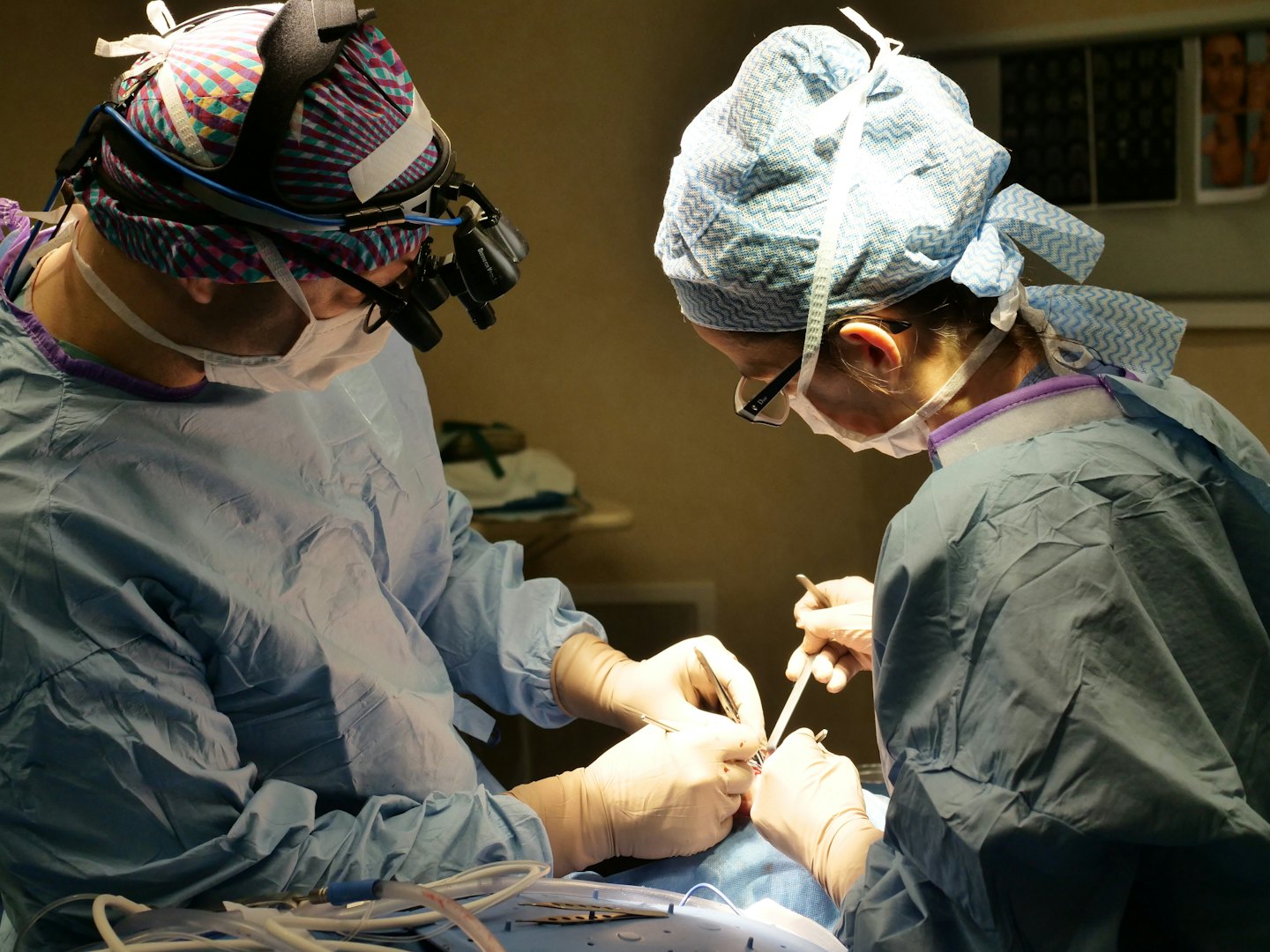
Advanced Surgical Treatments
Our expert surgeons use cutting-edge methods to remove adrenal cancer.

Personalized Treatment Plans
We tailor your care to your unique diagnosis for optimal health and recovery.

Comprehensive Diagnostics
Accurate testing and evaluation to detect and classify all adrenal cancer types.
Understanding Adrenal Cancer Care
Learn about our tailored approach to diagnosing and treating adrenal cancer with compassionate support every step of the way.

Initial Consultation and Diagnosis
Meet with our board-certified urologists to assess your condition through thorough exams and advanced diagnostic tests.

Personalized Treatment Planning
Work closely with our specialists to develop a treatment strategy that fits your specific type and stage of bladder cancer.

Ongoing Care and Support
Receive expert follow-up care, monitoring, and support to ensure the best possible outcomes throughout your recovery.
Understanding Adrenal Cancer
What is Adrenal Cancer?
Adrenal cancer is a rare malignancy that forms in the outer layer of the adrenal gland, known as the adrenal cortex. These small glands, located just above the kidneys, produce essential hormones that regulate metabolism, blood pressure, and stress response. When a cancerous tumor develops, it can cause the gland to produce an excess of these hormones, leading to a range of symptoms. While adrenal cancer is uncommon, its aggressive nature and tendency to spread make it a serious health concern.
Causes and Risk Factors
The exact cause of adrenal cancer is not well understood. Most cases are sporadic, meaning they have no clear genetic link. However, a small number of cases are associated with inherited genetic syndromes, such as Li-Fraumeni syndrome, Beckwith-Wiedemann syndrome, and multiple endocrine neoplasia type 1 (MEN1). While these conditions are rare, they increase the risk of developing not only adrenal cancer but other types of cancer as well.
Common Symptoms
The symptoms of adrenal cancer can be varied and often depend on whether the tumor is a functioning tumor (producing excess hormones) or a non-functioning tumor. Functioning tumors can lead to symptoms related to hormone overproduction. An overproduction of cortisol can cause weight gain, high blood pressure, and muscle weakness, a condition known as Cushing’s syndrome. An excess of androgens can cause excess hair growth in women and premature puberty in boys. Non-functioning tumors, which do not produce hormones, often grow large before they cause symptoms. These symptoms may include a palpable mass in the abdomen, pain in the flank or abdomen, or a feeling of fullness.
Diagnosis
Diagnosing adrenal cancer can be challenging, but a thorough approach is essential. A doctor will typically begin with a physical exam and a review of symptoms. Blood and urine tests are crucial for checking hormone levels to see if the tumor is functioning. Imaging tests, such as a CT scan or MRI, are used to visualize the adrenal glands and determine the size and location of the tumor. To confirm the diagnosis and to rule out other conditions, a doctor may also perform a biopsy, where a small tissue sample is taken from the adrenal gland for analysis.
Surgical Treatment
Surgery is the primary treatment for adrenal cancer and offers the best chance for a cure. The procedure, called an adrenalectomy, involves the surgical removal of the adrenal gland. The goal of surgery is to remove the entire tumor and any surrounding tissue to ensure all cancerous cells are gone. This can be performed as an open surgery or, for smaller tumors, with a minimally invasive laparoscopic or robotic-assisted technique, which results in less pain and a faster recovery. For tumors that have spread to nearby organs, a more extensive surgery may be necessary.
Non-Surgical Treatment Options
In cases where the cancer has spread or cannot be completely removed with surgery, other treatments may be necessary. Mitotane is a drug that is often used to treat adrenal cancer. It works by destroying adrenal cancer cells and is frequently used after surgery to reduce the risk of recurrence. Other non-surgical options include radiation therapy to target tumors that have spread to other parts of the body, and chemotherapy to treat advanced cases. In some situations, a combination of these treatments may be used to achieve the best possible outcome.

Schedule Your Consultation Today
Take the first step toward personalized adrenal cancer care with our expert team.
