
Nephrectomy Evaluation at Southland Urology
A nephrectomy is the surgical removal of a kidney, a procedure often performed to treat kidney cancer or other diseases. This can involve removing the entire kidney (radical nephrectomy) or just the diseased part (partial nephrectomy). With advancements in surgical techniques, many nephrectomies are now performed using minimally invasive methods, leading to less pain, a shorter hospital stay, and a faster recovery.
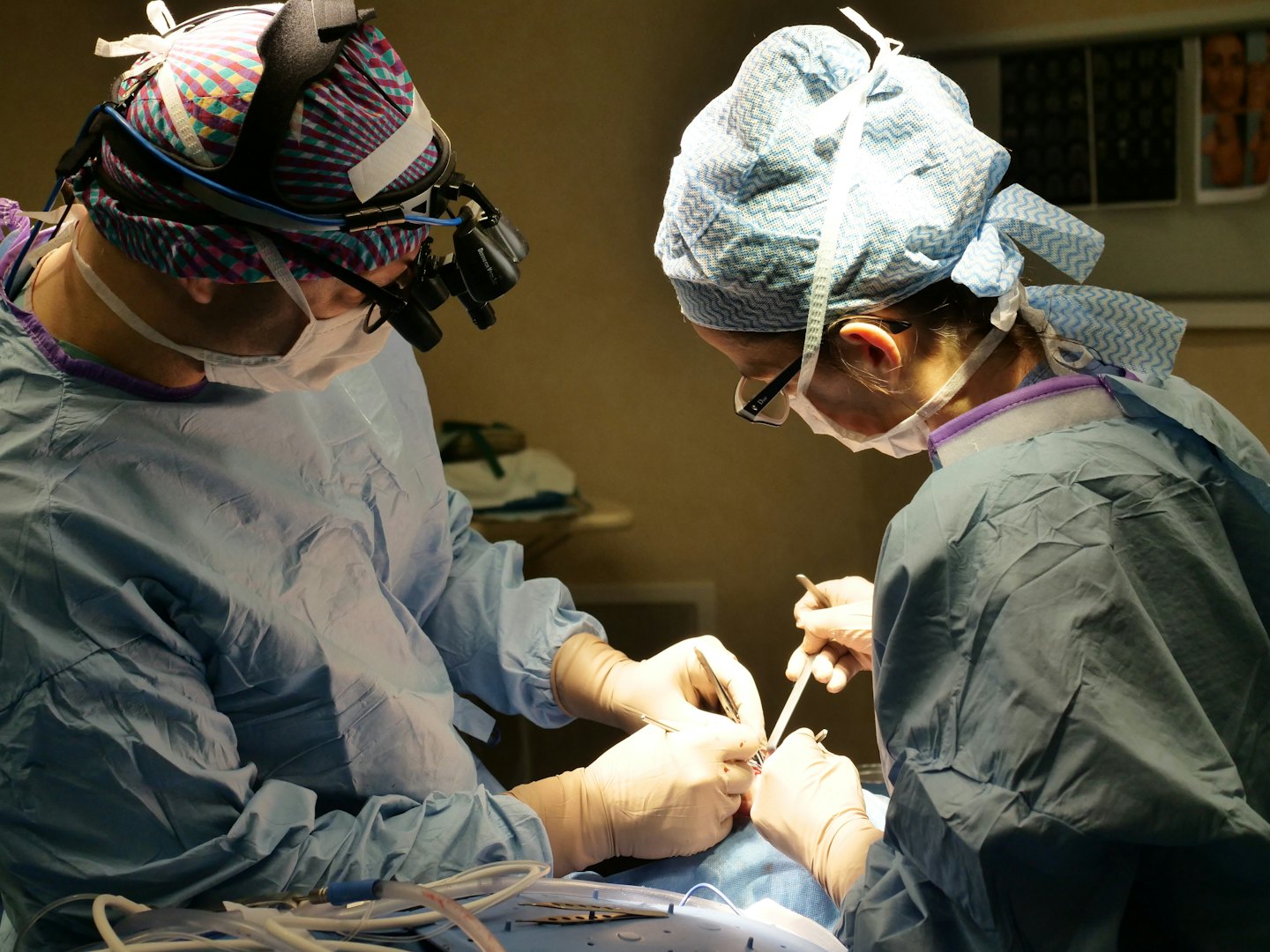
Advanced Treatments
Our expert surgeons use non-surgical and surgical management options for kidney masses.

Personalized Plans
We tailor your care to your unique diagnosis for optimal health and recovery.

Comprehensive Diagnostics
Accurate testing and evaluation.
Understanding Nephrectomy Evaluation
Learn about our tailored approach to diagnosing and treating renal masses with compassionate support every step of the way.

Initial Consultation and Diagnosis
Meet with our board-certified urologists to assess your condition through thorough exams and advanced diagnostic tests.

Personalized Treatment Planning
Work closely with our specialists to develop a treatment strategy that fits your specific issue and goals.

Ongoing Care and Support
Receive expert follow-up care, monitoring, and support to ensure the best possible outcomes throughout your recovery.
Understanding Nephrectomy
What is a Nephrectomy?
A nephrectomy is the surgical removal of all or part of a kidney. This procedure is most commonly performed to treat kidney cancer, but it can also be used to address other conditions such as severe kidney damage from injury, non-cancerous tumors, or an infected or poorly functioning kidney. There are two main types of nephrectomy: a radical nephrectomy, which involves removing the entire kidney and some surrounding tissue, and a partial nephrectomy, where only the diseased portion of the kidney is removed, leaving the healthy part intact.
When is a Nephrectomy Necessary?
The decision to perform a nephrectomy is based on the patient’s specific condition. For kidney cancer, a nephrectomy is the standard treatment. The choice between a partial and radical nephrectomy depends on several factors, including the size and location of the tumor, and the health of the remaining kidney. A partial nephrectomy is often the preferred option for smaller tumors to preserve kidney function. For non-cancerous conditions, such as a kidney that has been severely damaged by trauma or has a large, benign tumor, a nephrectomy may be the only way to alleviate pain and prevent further complications.
Types of Nephrectomy Procedures
A nephrectomy can be performed using various surgical techniques. Open nephrectomy is the traditional method, which involves a single large incision in the side or abdomen. While effective, it requires a longer recovery time. Laparoscopic nephrectomy is a minimally invasive approach that uses several small incisions, a camera, and long surgical instruments. This technique results in less pain and a faster recovery. A robotic-assisted laparoscopic nephrectomy uses the daVinci surgical system, which gives the surgeon enhanced dexterity and a high-definition, 3D view of the surgical field, further increasing precision.
The Surgical Procedure
Regardless of the technique used, a nephrectomy is performed under general anesthesia. For a radical nephrectomy, the surgeon carefully detaches the kidney from the surrounding tissues, blood vessels, and the ureter before removing it. For a partial nephrectomy, the surgeon isolates the blood vessels to the kidney, removes the tumor, and then reconstructs the remaining portion of the kidney. The surgery typically takes a few hours, and most patients spend a few days in the hospital for monitoring and pain management.
Recovery and Aftercare
Recovery from a nephrectomy varies depending on the type of procedure. Recovery from a laparoscopic or robotic-assisted nephrectomy is generally faster, with patients returning to normal activities within a few weeks. Open surgery requires a longer recovery period, often several weeks to a few months. Patients are advised to avoid heavy lifting and strenuous activity during the recovery period. Your doctor will provide specific post-operative care instructions, including wound care and pain management.
Living with One Kidney
For most people, living with one healthy kidney does not pose a significant health risk. The remaining kidney will usually increase in size to compensate for the loss of the other, allowing it to perform the work of two kidneys. Regular check-ups are important to monitor kidney function, which can be done through simple blood and urine tests. Your doctor may recommend lifestyle adjustments, such as staying well-hydrated and maintaining a healthy diet, to support long-term kidney health.

Schedule Your Consultation Today
Take the first step toward personalized nephrectomy evaluation with our expert team.
